
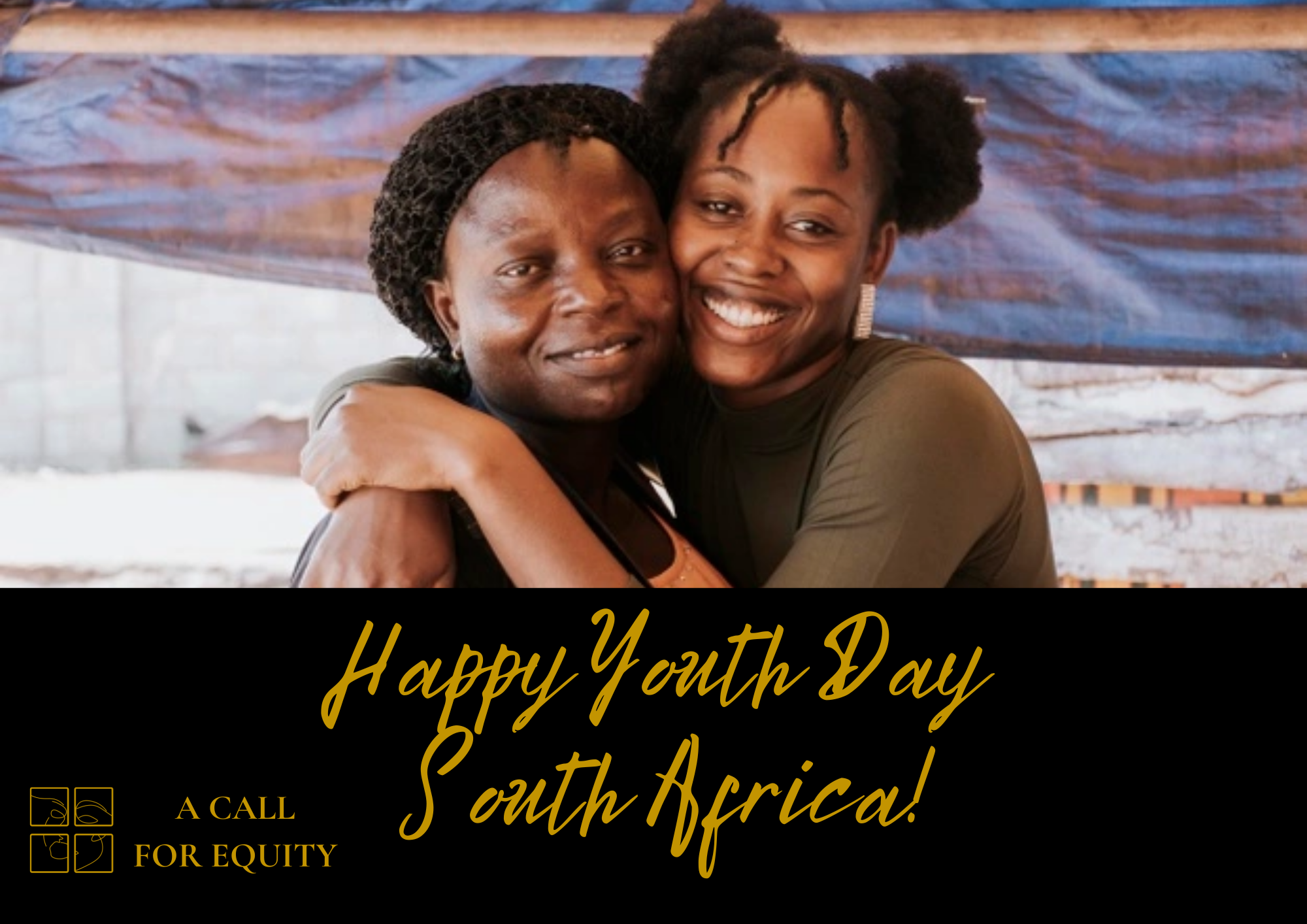
As we commemorate the June 16 youth uprisings, it is vital to pause and consider the lessons these uprisings teach us and their implications on our collective consciousness. The uprisings are remembered by many as the pinnacle of civil unrest brought about by the infiltration of Apartheid rhetoric and bureaucracy into every sphere of black life. The protests that began peacefully in SOWETO and spread to various parts of the country already in turmoil were a challenge to the Apartheid state that sought to further isolate the majority-black populace by making Afrikaans the medium of instructions of township schools. In "Dualism and Colonialism South Africa as a Case Study", Frantz Fanon tells us that language is a tool for colonial domination. Thus the poignancy of this requirement of Afrikaans as the principal tool for teaching remains. Yet, even today, English and Afrikaans are the primary mediums of instruction in South African schools.
The commemoration of the June 16 uprising highlights the steadfast commitment of state structures that, through the implementation of Bantu education, sought to limit the role of Black Africans to only a precarious and disenfranchised labour force. Recalling this time of collective resistance from the youth through the vehicle of collective memory allows us to interrogate our current education crisis, the staggering youth unemployment rate, and the nature of life under a neoliberal capitalist society. For the majority-black populace, more especially the youth, contemporary society continues to be unsustainable. The desires of the June 16 struggle are not realised. The youth continue to be marginalised by a commodified education system, effectively preventing poor and working-class youth from accessing higher education. We look to FEESMUSTFALL, which questioned the value of Eurocentric education and brought to light the continued inaccessibility, which is a continuation of the June 16 struggle. This movement has also been stifled, leaving questions of accessibility to higher education unresolved.
The COVID-19 pandemic has further complicated the situation for black youth. Whilst we are not invested in the language of a neoliberal economy, believing that capitalism is the ultimate vice, we concede that the rising unemployment rate is not only the failure of capitalism but is a culmination of apartheid-era policies and poor governance and maladministration. South Africa is one of the most unequal societies, with only 1% of the population owning the majority of the country's wealth. Each year the youth is forced to reconcile themselves with the government's failure to afford workers a minimum wage, provide free tertiary education, support small and medium entrepreneurial endeavours, and more recently to provide a decent stimulus for poor South Africans who have been worst affected by the COVID-19 pandemic, all of which would alleviate the burden the poor and working-class bear.
The collective resistance by the youth rooted itself in ideologies, such as Black consciousness, that affirmed the value of black life. The June uprisings stand in our minds as a powerful act of resistance and self-determination. In the face of a justified disillusionment with the status quo, our quest for an equitable society is informed by a belief that valuing the lives of marginalised peoples means to question a status quo. The quo views the lives of black, queer, women, immigrants, indigenous peoples as precarious and ultimately dispensable.
In Commemoration of Youth Day

Previous
Previous